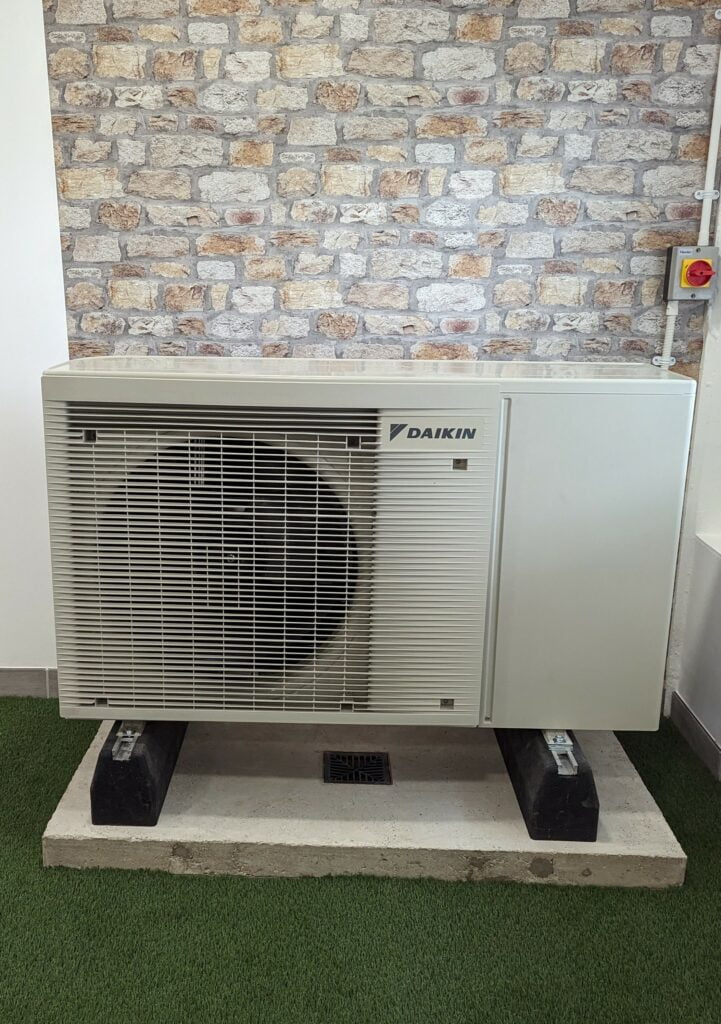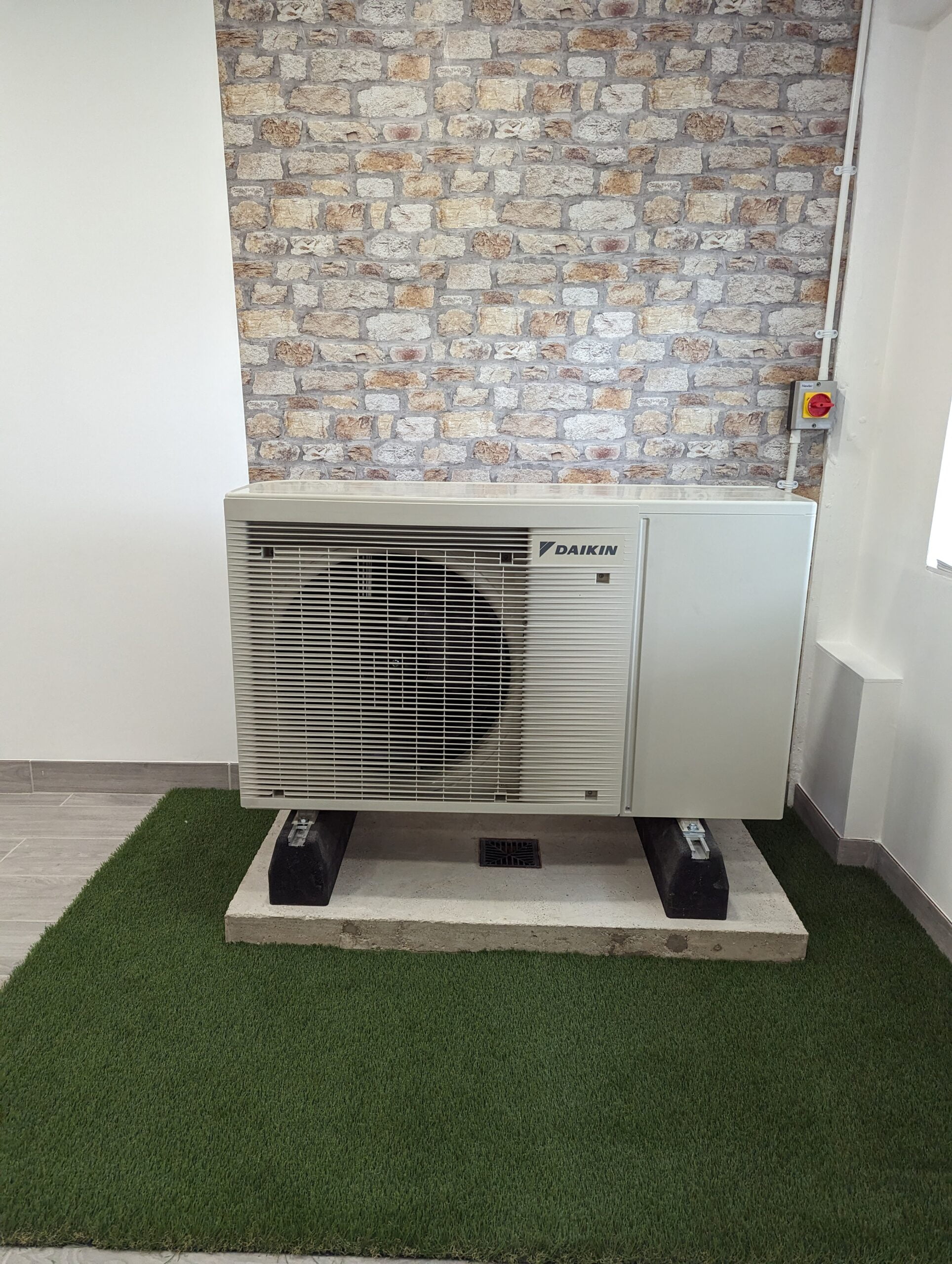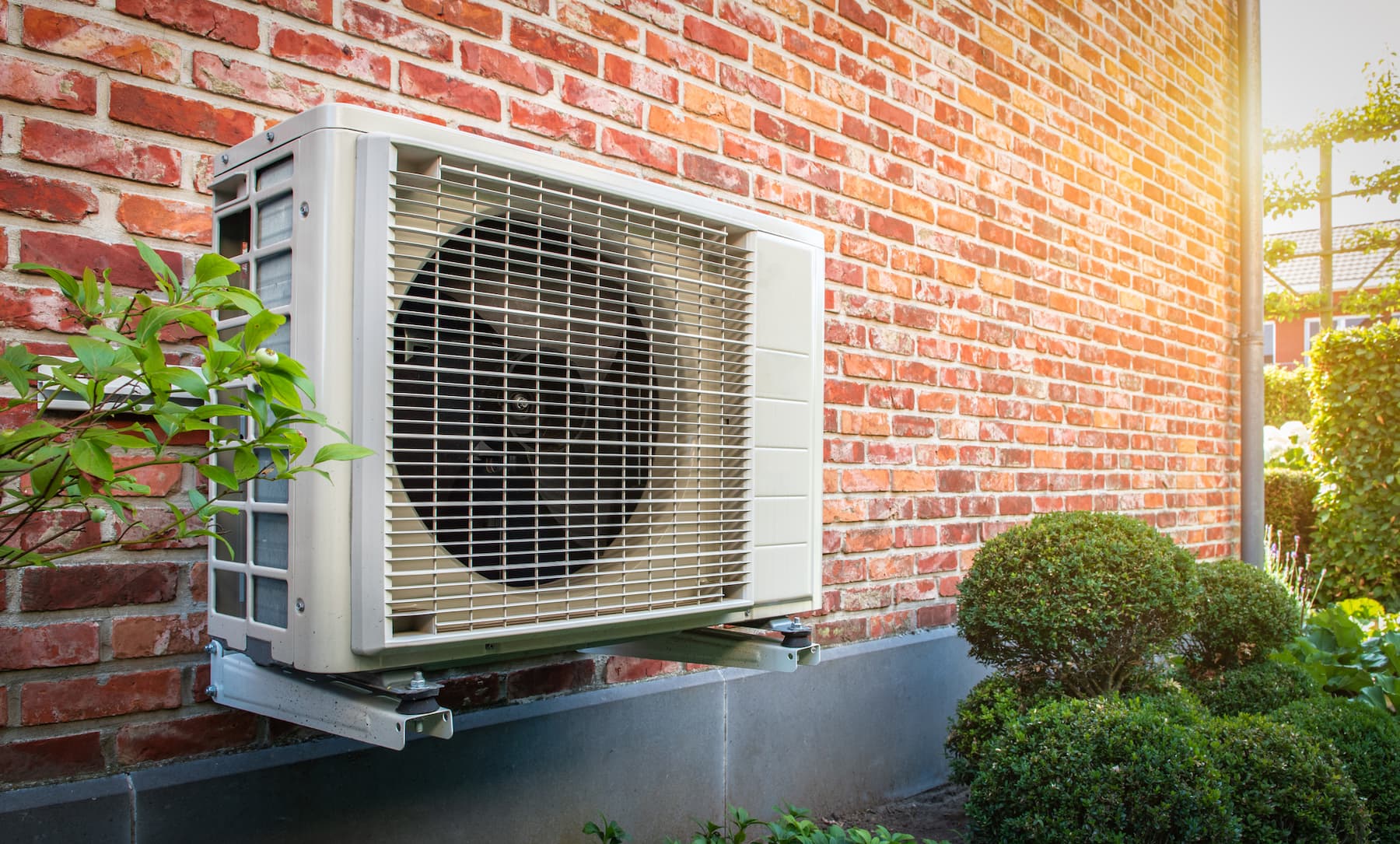

We know that both radiators & underfloor heating systems are compatible with heat pumps but how do we decide which one is best for our project?
Luckily, connecting your heat pump to both is an option but underfloor heating is often the preferred option because it is more energy efficient than radiators as it covers a more expansive space. And if you’re aiming for a warm, energy-efficient home with low running costs then a heat pump paired with underfloor heating could be for you.
If you have a new build project – then without a doubt, choose underfloor heating – absolute no brainer!
However, installing underfloor heating entirely in to your home or business as part of a renovation/extension can be disruptive, but remember there is always the option of connecting both radiators and wet underfloor heating to your heat pump. A popular choice is to have underfloor heating downstairs and to keep the radiator circuit upstairs.
Whatever you choose…the most important thing to remember is that the system you choose must be the correct size for your property, otherwise the heating system will be unable to achieve your desired temperature for each room. This size will be calculated following a thorough heat loss survey by your installer at your home or business.
As an air source heat pump runs at a lower temperature than traditional boilers, a larger surface emitter area will be required, and this is why underfloor heating is a popular choice to partner with heat pumps because it offers the entire floor area as a heat emitter. Don’t worry though – if the option to lay an underfloor heating system is simply not feasible then radiators are a great working solution still.
Underfloor Heating Explained…
Installing an underfloor heating system with your new shiny heat pump will not just be a perfect match but also add a feel of luxury to your home.
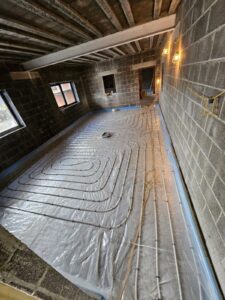
Wet underfloor heating installation involves running a system of pipes underneath the floor of a room. This effectively transforms the entire floor into one huge heat emitter that warms up your space. These can be quickly and easily fitted over an existing floor or built into a new solid floor, in one room or throughout the whole house.
Are there different types of wet underfloor system’s?
Yes – essentially when designing a project you have two choices – a screeded system or a low-profile overlay system.
What underfloor heating system is best for your project?
Whether your project is a new build, renovation or home extension, there is a warm water underfloor heating system for you.
Screeded Systems…
This type of system is typically used for new builds where the underfloor heating has been considered in the architects drawings and the finished floor height has been calculated. It is quite literally installed in the floor.
Firstly the insulation is laid, then the pipes are laid down and stapled in place, before finally laying a screed. When using traditional sand cement screeds, the minimum thickness is 65 mm and when using a liquid screed the thickness will be slightly less at a recommended depth of 40mm – 50mm.
Low-profile Overlay Systems…
For the majority of renovation projects, an overlay system that is installed directly over an existing structural floor is the top choice as this causes minimal disruption to the build.
An overlay board has grooves to hold the pipes in place and does not require any additional insulation to be laid. The boards are only 18mm high, so does not raise the finished floor height much at all.
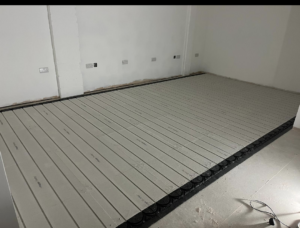
They work with most floor coverings, from ceramic and stone tiles to wood, engineered wood and carpet. For heavyweight floor finishes, such as ceramic tile or engineered timber, there is a type of board made of gypsum fiber and the structural nature of these means that they are particularly suitable for these floor types.
In most cases, you can just lay the tiles directly on top of the overlay boards – nice!
Depending on the condition of the existing floor and type of flooring being laid, the requirements may vary from job to job – just speak to your floor layer about the best plan of action for your flooring choice.
The Key Benefits of Choosing Underfloor Heating:
- Separate controls for every room add comfort and cut costs
- No hotspots or cold draughts that commonly come with radiators
- Reduces airborne dust, providing relief for allergy sufferers
- Creates more space as no need for radiators
- Less energy consumption helps cut costs as well as carbon emissions
- Adds a cosy & luxurious feel to your home – no more stone cold flooring!
- Virtually maintenance-free
- Works harmoniously with air source heat pumps

Radiators Explained…
Or the shortened version of the word – ‘rads’ – as used by every person in the plumbing or building trade!! 
Radiators have been around for donkeys and are found across many homes in the UK – they heat up a room using air circulation and thermal currents, with hot air being moved from the radiator to the ceiling.
They are a very effective heat emitter for an air source heat pump so long as they are the correct size and type for the job. This would be concluded in the installers heat loss report.
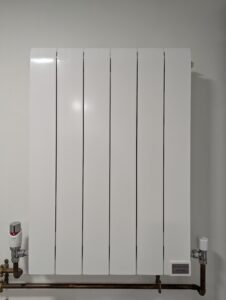
There are many more types of radiators now, and modern radiators have many colour choices and can even come in a sleek and stylish design.
Which types of radiators work best with air source heat pumps?
Due to an air source heat pump’s lower flow temperatures, the emitters will need to have a larger surface area – so this could mean changing a single panel radiator to a double or triple panel radiator or possibly adding an extra radiator to the room. There are also different types of materials that conduct heat quicker than steel – such as aluminum – these types will be more expensive than steel ones.
It may be recommended that you upgrade any existing radiators with a low surface area as it won’t be very efficient at the low flow temperatures that heat pumps provide. A low surface area radiator includes those with decorative columns, such as towel rails, single rail and some types of designer radiators.
The Key Benefits of Choosing Radiators:
- Quick to install or replace
- Less disruptive than installing underfloor heating
- Horizontal and vertical options available
- Aluminum radiators are very efficient
A Round Up…
The answer to the question of which system is better sits with you, your home and your installer.
Depending on your heating demand and your own preferences, either underfloor heating or radiators or a mixture of both could fulfil all your requirements for an energy-efficient & nice’n’cosy home!